
Project description
What are the implications of your research proposal in the microbiome field for human health?
This research bridges fundamental and translational insights into gut microbiota-host interactions with important implications for human health. LEAP2 (liver-expressed antimicrobial peptide 2) is a circulating hormone regulating appetite and an endogenous antagonist of the ghrelin receptor. Recent work from our teams proposed LEAP2 as a candidate biomarker of relapses in anorexia nervosa (AN). Yet mechanisms driving its dysregulation are poorly understood. AN is also characterized by alterations in gut microbiota composition, raising the question of whether LEAP2 levels are influenced by microbial changes or whether LEAP2 shapes the gut microbiota. This project will address this gap by exploring LEAP2 as a candidate mediator of microbiota–gut–brain interactions. We will determine whether dietary interventions reshaping the gut microbiota are associated with changes in Leap2 expression and circulating LEAP2 levels in mice. Second, we will investigate the reciprocal relationship by assessing whether acute and chronic LEAP2 administration, delivered centrally or peripherally, alter gut microbiota composition and host responses. Finally, we will examine the relevance of these associations using a murine model of AN and a clinical cohort of patients with AN. By integrating hormonal, metabolic, and microbial datasets this research will clarify the link between LEAP2 and gut microbiota in health and disease. By increasing the knowledge about AN, this project will help identifying relevant host–microbiota signatures, guiding microbiota-targeted interventions, reinforcing its framing as a metabo-psychiatric condition. Beyond scientific evidence, it aims to deliver tangible clinical and societal benefits for patients with AN, alleviating the stigma about eating disorders.
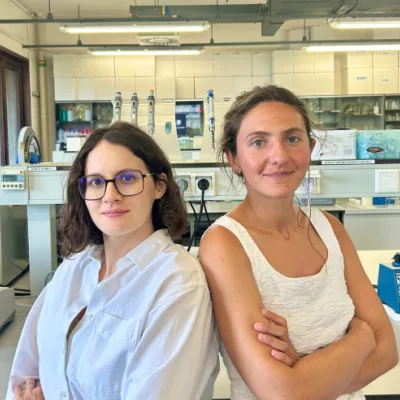
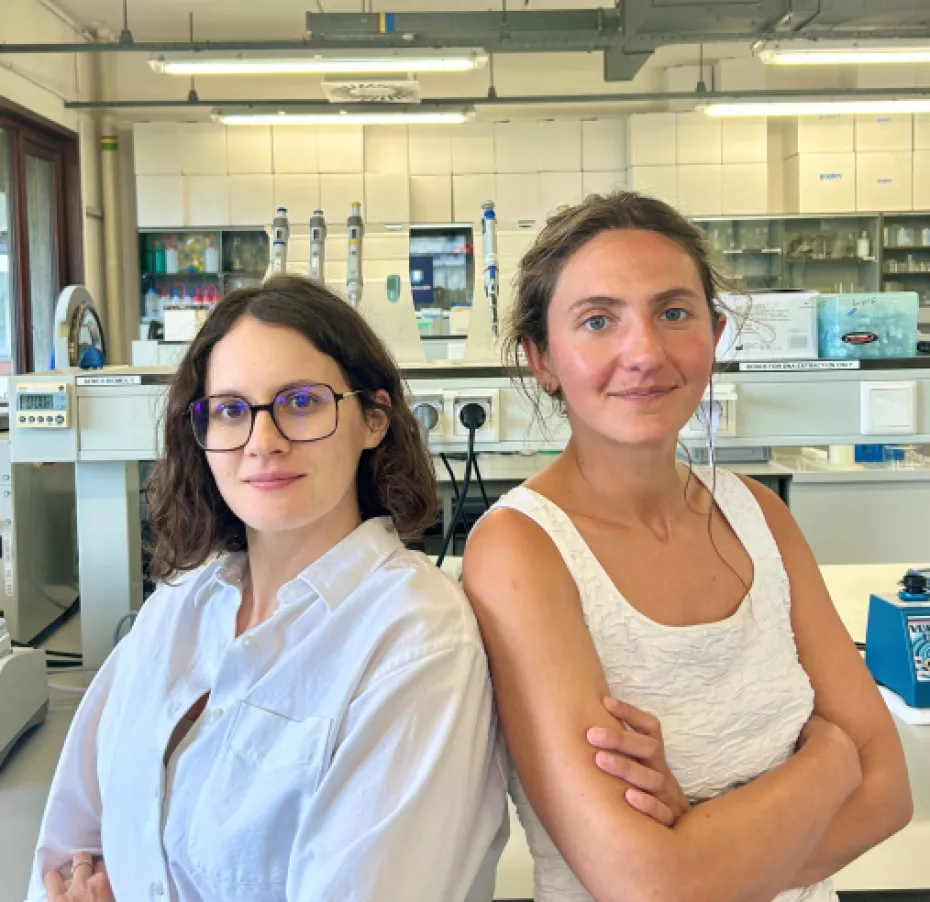
Dr. Camille Petitfils and her research partner Dr. Chloé Tezenas du Montcel
Belgium's winning projects


Microbiota-gut-brain axis signalling in neurodevelopmental disorders: what the brain needs from the gut?

Towards a better understanding of a Gut-Vagina Axis by investigating the effects of Ramadan fasting on Gut and Vaginal Microbial Communities

Bacterial extracellular vesicles as biomarker for Parkinson's disease

Influence of gut microbiota composition and function on acute and persistent post-surgical pain

Study of the gut human microbiome and its relationship with immunosuppressive pharmacotherapy in stable renal transplant patients

Ghent University trial in Parkinson’s with faecal transplantation

The duodenal microbiome and effect of proton pump inhibitors in healthy volunteers and functional dyspepsia patients